Owning a vehicle is one of those long-term commitments where small decisions compound over time. Some drivers seem to get years of trouble-free performance with minimal expenses, while others are stuck dealing with constant repairs and unexpected breakdowns. The difference often isn’t luck—it’s habit.
The way you drive, maintain, and think about your vehicle has a direct impact on both reliability and cost. By adopting a few smart ownership habits, you can extend your car’s lifespan, reduce repair bills, and avoid inconvenient failures.
Drive Smoothly and Consistently
One of the most overlooked factors in vehicle longevity is driving behavior. Aggressive driving—rapid acceleration, hard braking, and sharp cornering—puts significant stress on key components like the engine, transmission, brakes, and suspension.
Smooth driving, on the other hand, reduces wear and tear across the board. Gradual acceleration allows the engine and transmission to operate within optimal ranges, while gentle braking preserves brake pads and rotors.
Consistency matters too. Frequent short trips where the engine doesn’t fully warm up can lead to carbon buildup and oil contamination. Whenever possible, combine errands into longer drives to allow the engine to reach and maintain proper operating temperature.
Follow a Preventive Maintenance Schedule
Waiting until something breaks is almost always more expensive than preventing the issue in the first place. A proactive maintenance schedule is the foundation of reliable vehicle ownership.
Routine services like oil changes, tire rotations, and fluid checks are relatively inexpensive but critical. Engine oil, for example, lubricates moving parts and prevents overheating. Skipping oil changes can lead to sludge buildup and, eventually, engine failure.
Most manufacturers provide a maintenance schedule in the owner’s manual. Following it closely helps catch small issues before they become major problems. It also ensures that components like belts, filters, and spark plugs are replaced at the right intervals.
Pay Attention to Warning Signs
Vehicles rarely fail without warning. Strange noises, vibrations, warning lights, or changes in performance are often early indicators of underlying issues.
Ignoring these signs can turn a minor repair into a major one. For example, a slight squealing noise from the brakes could mean worn brake pads—an inexpensive fix. Left unchecked, it can damage the rotors, significantly increasing repair costs.
Make it a habit to investigate anything unusual right away. Even if it turns out to be nothing serious, the peace of mind is worth it.
Keep Fluids Clean and at Proper Levels
Your vehicle relies on several fluids to function correctly, including engine oil, coolant, transmission fluid, brake fluid, and power steering fluid. Each plays a critical role in lubrication, cooling, and hydraulic operation.
Low or contaminated fluids can cause overheating, increased friction, and component failure. Regularly checking fluid levels and condition is a simple habit that can prevent expensive repairs.
For example, maintaining proper coolant levels helps prevent engine overheating, which can lead to warped cylinder heads or blown head gaskets—both costly fixes.
Take Care of Your Tires
Tires are often neglected, but they play a crucial role in safety, efficiency, and overall vehicle health.
Proper tire maintenance includes:
- Keeping tires inflated to the recommended pressure
- Rotating them regularly to ensure even wear
- Checking alignment and balancing when needed
Underinflated tires increase rolling resistance, which reduces fuel efficiency and puts extra strain on the engine. Uneven wear can also lead to premature tire replacement and affect handling.
By maintaining your tires, you not only save money but also reduce stress on suspension components.
Avoid Overloading Your Vehicle
Every vehicle has a maximum load capacity, and exceeding it can strain the engine, transmission, suspension, and brakes.
Carrying excessive weight forces your vehicle to work harder, leading to increased fuel consumption and accelerated wear. Over time, this can shorten the lifespan of critical components.
Even if you’re not exceeding the limit, regularly driving with unnecessary weight—like heavy items in the trunk—can still have a negative impact. Keeping your vehicle as light as practical helps maintain efficiency and reliability.
Use Quality Parts and Fluids
When it comes to maintenance and repairs, cutting corners can be costly in the long run. Cheap parts and low-quality fluids may save money upfront, but they often wear out faster or fail prematurely.
Using manufacturer-recommended or high-quality aftermarket parts ensures compatibility and durability. The same goes for fluids—using the correct type and grade is essential for proper operation.
For example, using the wrong engine oil viscosity can affect lubrication and fuel efficiency, potentially leading to long-term damage.
Keep Your Vehicle Clean—Inside and Out
Cleanliness might seem cosmetic, but it plays a bigger role in maintenance than many people realize.
Regular washing removes dirt, salt, and debris that can cause rust and corrosion, especially in areas with harsh winters. Waxing adds a protective layer that helps preserve the paint and body.
Interior cleanliness matters too. Dust and debris can affect air filters and HVAC systems, while clutter can interfere with controls and visibility.
A clean vehicle is easier to inspect, making it more likely you’ll notice leaks, damage, or wear early.
Store and Park Smartly
Where and how you park your vehicle can influence its condition over time.
Whenever possible, park in a garage or shaded area to protect your car from extreme temperatures and UV exposure. Prolonged sun exposure can damage paint, fade interiors, and degrade rubber components.
In colder climates, sheltered parking helps reduce the impact of freezing temperatures on the battery and fluids. In hot climates, it prevents overheating and interior damage.
Even small habits—like avoiding parking under trees where sap and debris can accumulate—can make a difference.
Don’t Ignore the Battery
A failing battery is one of the most common causes of unexpected breakdowns. Fortunately, it’s also one of the easiest components to monitor.
Most car batteries last between three to five years. Regularly checking for corrosion on terminals, ensuring secure connections, and testing battery health can prevent sudden failure.
If you notice slow engine cranking or dim lights, it may be time for a replacement. Addressing battery issues early helps avoid being stranded and prevents additional strain on the electrical system.
Build a Relationship With a Trusted Mechanic
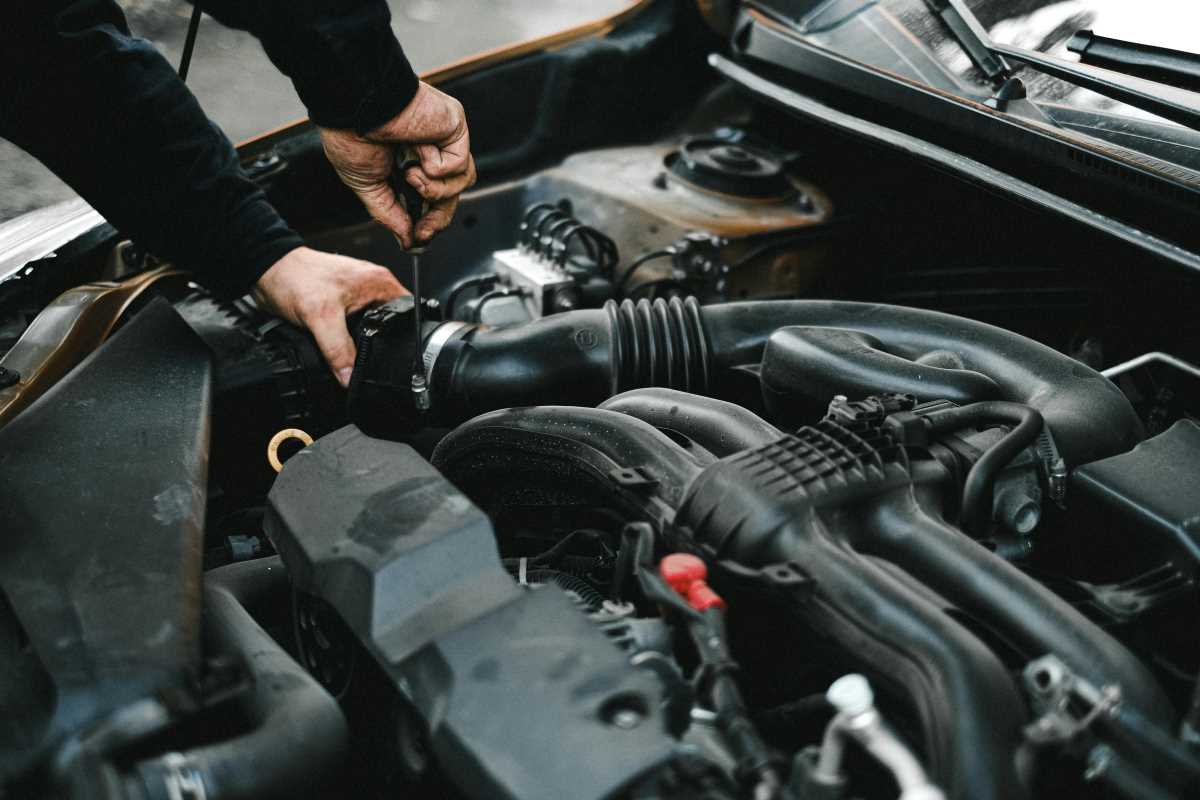
Having a reliable mechanic you trust can save both time and money. A good mechanic will not only perform repairs but also provide honest advice about what’s necessary and what can wait.
They can help you prioritize maintenance, identify patterns, and prevent recurring issues. Over time, this relationship can lead to better care for your vehicle and fewer unnecessary expenses.